Choosing Between Roof Repair and Replacement: A Cost-Effective Guide
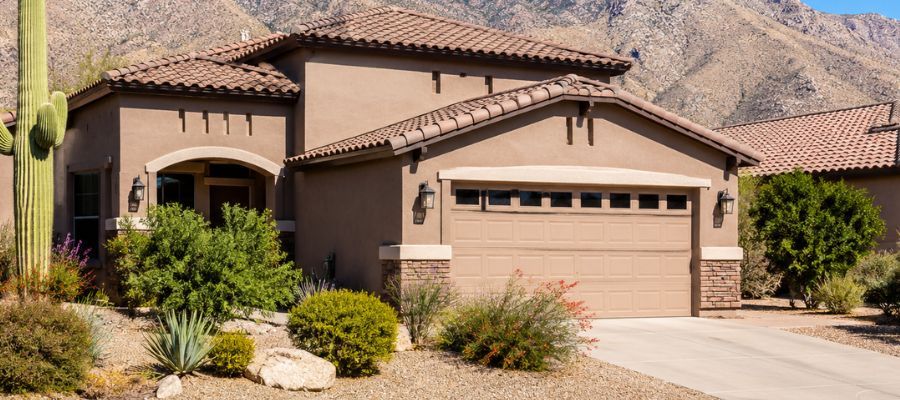
Your roof is one of the most important parts of your home, protecting your family and belongings from wind, sun, and rain throughout the year. When roofing problems come up, Tucson homeowners often ask the same thing, repair the roof or replace it entirely? While repairs are often less expensive upfront, there are situations where replacement may provide better long-term value.
At Repair First Roofing, we help Tucson homeowners assess their roofing systems and make informed decisions based on the roof’s condition, age, and long-term performance, with communication and workmanship praised in reviews. Understanding the factors that influence repair versus replacement can help you choose the most cost-effective solution for your home.
Start with a Professional Roof Inspection
A roof inspection is the first step in deciding between repair and replacement, and it can reveal leaks, worn flashing, damaged shingles, and other hidden issues. Many roofing issues are not fully visible from the ground, and what appears to be a small problem may indicate more widespread damage.
A professional inspection can identify:
- Missing or damaged roofing materials
- Leaks and moisture intrusion
- Storm damage
- UV deterioration
- Structural concerns
- Flashing issues
- Drainage problems
Having a clear understanding of the roof’s condition allows homeowners to make a more informed financial decision.
When Roof Repair Makes Sense
In many situations, roof repair is the most practical and affordable solution. If the damage is isolated and the roof is otherwise in good condition, repairs can restore performance without a full replacement.
Repair may be appropriate when:
- The roof is relatively new
- Damage is limited to a small area
- A leak has been identified early
- Flashing or sealants need attention
- Minor storm damage has occurred
- The roofing system still has significant life remaining
Addressing problems early can often prevent larger and more costly repairs in the future.
Signs a Roof Replacement May Be the Better Investment
While repairs can solve many roofing problems, there are times when replacement offers better long-term value. Continuing to repair an aging or heavily damaged roof can become increasingly expensive over time.
Replacement may be worth considering when:
- The roof is nearing the end of its expected lifespan
- Multiple leaks are present
- Damage is widespread
- Previous repairs are failing
- The roofing material has significantly deteriorated
- Structural issues are discovered
Although replacement requires a larger initial investment, it may reduce future maintenance expenses and improve overall performance.
Consider the Age of the Roof
Age is one of the most important factors when evaluating repair versus replacement.
Every roofing material has an expected service life. Summer heat and Tucson’s monsoon season can speed up wear on older roofs, making them more likely to show signs of damage.
If a roof is approaching the end of its expected lifespan, investing heavily in repairs may not always be the most cost-effective choice.
Tucson’s Climate Takes a Toll on Roofs
In Tucson, harsh sunlight, UV rays, summer heat, and heavy monsoon rains can speed up roof aging and lead to damage specific to our climate.
Common local roofing challenges include:
- UV deterioration
- Thermal expansion and contraction
- Storm damage
- Wind-driven debris
- Cracking and surface wear
- Drainage issues on flat roofs
These factors should be considered when evaluating the long-term condition of your roof.
Compare Short-Term and Long-Term Costs
Many homeowners focus primarily on the immediate cost difference between repair and replacement. While repairs generally cost less upfront, repeated repairs can add up over time.
Questions to consider include:
- How much will the repair cost?
- How long is the repair expected to last?
- Will additional repairs likely be needed soon?
- How much useful life remains in the roof?
- Would replacement reduce future maintenance costs?
Evaluating both short-term and long-term expenses often provides a clearer picture of overall value.
Energy Efficiency May Be a Factor
Older roofing systems may not perform as efficiently as newer materials. If your roof is contributing to excessive heat gain, replacement or certain roofing upgrades may improve energy performance.
In Tucson’s hot climate, roofing materials that reflect sunlight and reduce heat absorption can help support indoor comfort and potentially lower cooling demands.
When evaluating replacement options, it may be worth discussing energy efficiency with your roofing contractor.
Roof Coating as a Middle-Ground Solution
For some roofing systems, roof coating may provide an alternative between simple repairs and full replacement.
If the roof remains structurally sound but is showing signs of aging, coating can help:
- Reflect sunlight
- Protect against UV damage
- Reduce heat absorption
- Extend roof life
- Improve weather resistance
Not every roof qualifies for coating, but it can be a cost-effective option in the right circumstances.
Safety and Structural Integrity Matter
Cost should never be the only factor in roofing decisions. If structural concerns are present, delaying replacement can increase risks and potentially lead to more expensive repairs later.
Protecting the integrity of the home should always remain the highest priority.
A professional inspection can identify whether repairs will adequately address the problem or if replacement is necessary for long-term protection.
Questions to Ask Before Deciding
Before choosing repair or replacement, homeowners should consider:
- What is the overall condition of the roof?
- How old is the roofing system?
- Are the issues isolated or widespread?
- How often has the roof required repairs?
- Will repairs solve the underlying problem?
- What are the projected future costs?
The answers to these questions often help clarify the most financially responsible choice.
Benefits of Roof Repair
- Lower upfront cost
- Faster project completion
- Addresses localized issues
- Preserves existing roofing materials
- Can extend roof life when performed early
Benefits of Roof Replacement
- Long-term solution
- Reduces recurring repair costs
- Improves overall roof performance
- May improve energy efficiency
- Provides greater peace of mind
- Addresses widespread deterioration
Final Thoughts about Roof Repair vs. Roof Replacement
Choosing between roof repair and replacement is not always straightforward. The most cost-effective solution depends on the roof’s age, condition, extent of damage, and expected future performance. While repairs are often appropriate for localized issues, replacement may provide greater long-term value when significant wear or widespread damage is present.
Repair First Roofing helps homeowners throughout Tucson evaluate their roofing systems and determine the best solution based on their specific needs. Whether your roof requires a simple repair, a protective coating, or a complete replacement, a professional inspection is the best place to start.
Frequently Asked Questions About Roof Repair and Replacement
How do I know if my roof needs repair or replacement?
A professional roof inspection can evaluate the age, condition, and extent of damage to determine whether repairs are sufficient or replacement is the better long-term solution.
Is it cheaper to repair a roof than replace it?
Repairs usually cost less upfront, but repeated repairs on an aging roof may become more expensive over time than replacement.
Can roof coating prevent replacement?
In some cases, roof coating can extend the life of a structurally sound roof and delay the need for replacement. A professional inspection is needed to determine eligibility.
How long should a roof last in Tucson?
The lifespan varies depending on the roofing material, installation quality, maintenance, and exposure to Tucson’s climate conditions.
Should I replace my roof if it only has one leak?
Not necessarily. A single leak can often be repaired if the rest of the roof remains in good condition. An inspection can determine whether the issue is isolated or part of a larger problem.
You May Also Like

Popular Articles